
Nomadjoin’s Best-Selling Lighting Products You Can’t Miss
In the heart of the bustling city of Austin, Texas,
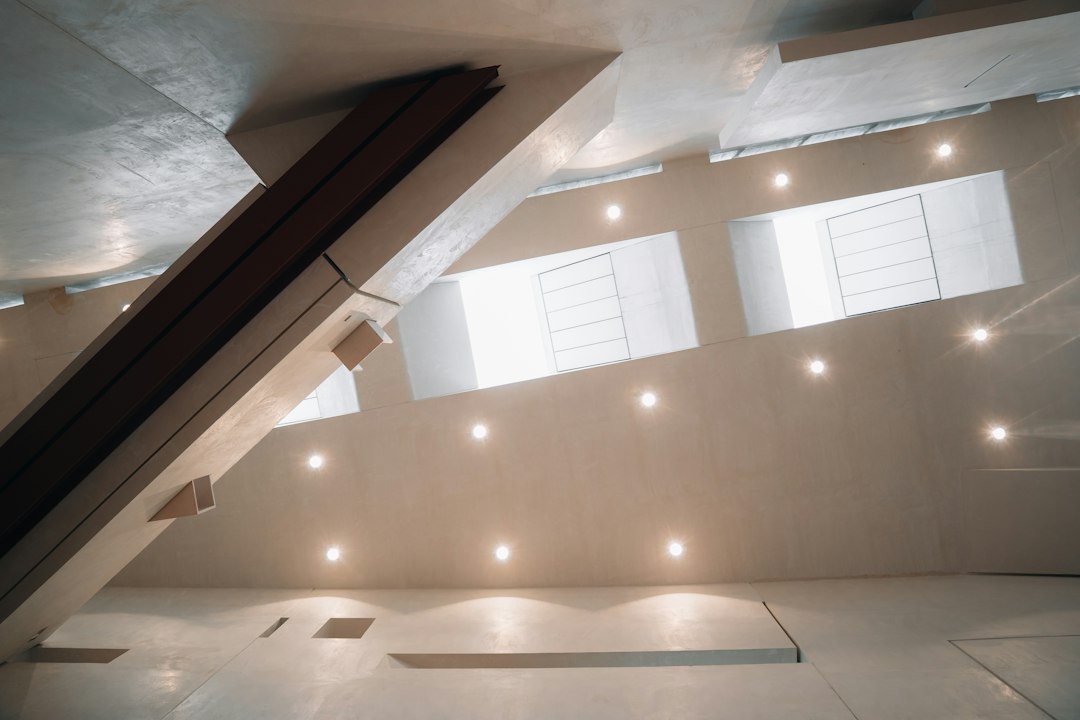
Lighting is an essential aspect of any home or office, influencing both aesthetics and functionality. As technology evolves, so do the trends in lighting design, offering innovative solutions that cater to diverse tastes and needs. In this article, we will explore the top trends in modern lighting that can transform your spaces into stylish and inviting environments.
One of the most significant trends in modern lighting is the rise of smart lighting solutions. These systems allow users to control their lighting remotely through smartphones or voice-activated devices, providing convenience and flexibility. Imagine being able to adjust the brightness or color of your lights from anywhere in your home or office, creating the perfect ambiance for any occasion.
Smart lighting not only enhances comfort but also promotes energy efficiency. Many smart bulbs are designed to use less energy than traditional bulbs, helping you save on electricity bills while reducing your carbon footprint. As more people become environmentally conscious, the demand for smart lighting solutions continues to grow, making it a must-have trend for modern spaces.
Minimalism has taken the design world by storm, and lighting is no exception. Clean lines, simple shapes, and a focus on functionality characterize minimalist lighting designs. These fixtures often blend seamlessly into their surroundings, allowing the architecture and decor of a space to shine without distraction.
Choosing minimalist lighting can create a serene atmosphere in both homes and offices. By eliminating unnecessary embellishments, these designs promote a sense of calm and order. Whether it’s a sleek pendant light or a streamlined floor lamp, minimalist lighting can enhance the overall aesthetic of your space while providing essential illumination.
As sustainability becomes increasingly important, the use of eco-friendly materials in lighting design is gaining traction. Designers are now incorporating materials such as reclaimed wood, bamboo, and recycled metals into their fixtures. These choices not only reduce waste but also add a unique character to each piece.
Eco-friendly lighting options often come with energy-efficient features, such as LED technology, which further minimizes their environmental impact. By choosing lighting made from sustainable materials, you can contribute to a greener planet while enjoying stylish and functional designs. This trend reflects a growing awareness of the importance of sustainability in all aspects of life, including home and office decor.
Layered lighting is a technique that involves combining different types of lighting to create a well-balanced and versatile environment. This approach typically includes ambient, task, and accent lighting, each serving a specific purpose. By layering these different types of lighting, you can enhance the functionality and aesthetics of any space.
For example, in an office setting, ambient lighting provides general illumination, while task lighting focuses on specific work areas, such as desks or conference tables. Accent lighting can highlight artwork or architectural features, adding depth and interest to the overall design. By mastering the art of layered lighting, you can create dynamic environments that cater to various activities and moods.
In recent years, statement lighting fixtures have become a popular trend in both residential and commercial spaces. These bold designs serve as focal points, drawing attention and adding personality to a room. From oversized chandeliers to unique pendant lights, statement fixtures can elevate the overall aesthetic of your space.
Incorporating a statement fixture into your home or office can make a powerful design statement. It allows you to express your personal style while also serving a functional purpose. When selecting a statement piece, consider the scale and style of your space to ensure it complements the existing decor while standing out as a centerpiece.
Step 1: Assess your lighting needs based on the function of each room. Step 2: Research and select lighting styles that align with your personal taste and sustainability goals. Step 3: Incorporate smart lighting solutions for added convenience and energy efficiency. Step 4: Layer different types of lighting to create a balanced and inviting atmosphere.
In the heart of the bustling city of Austin, Texas,
In the world of interior design, lighting plays a crucial